 dev
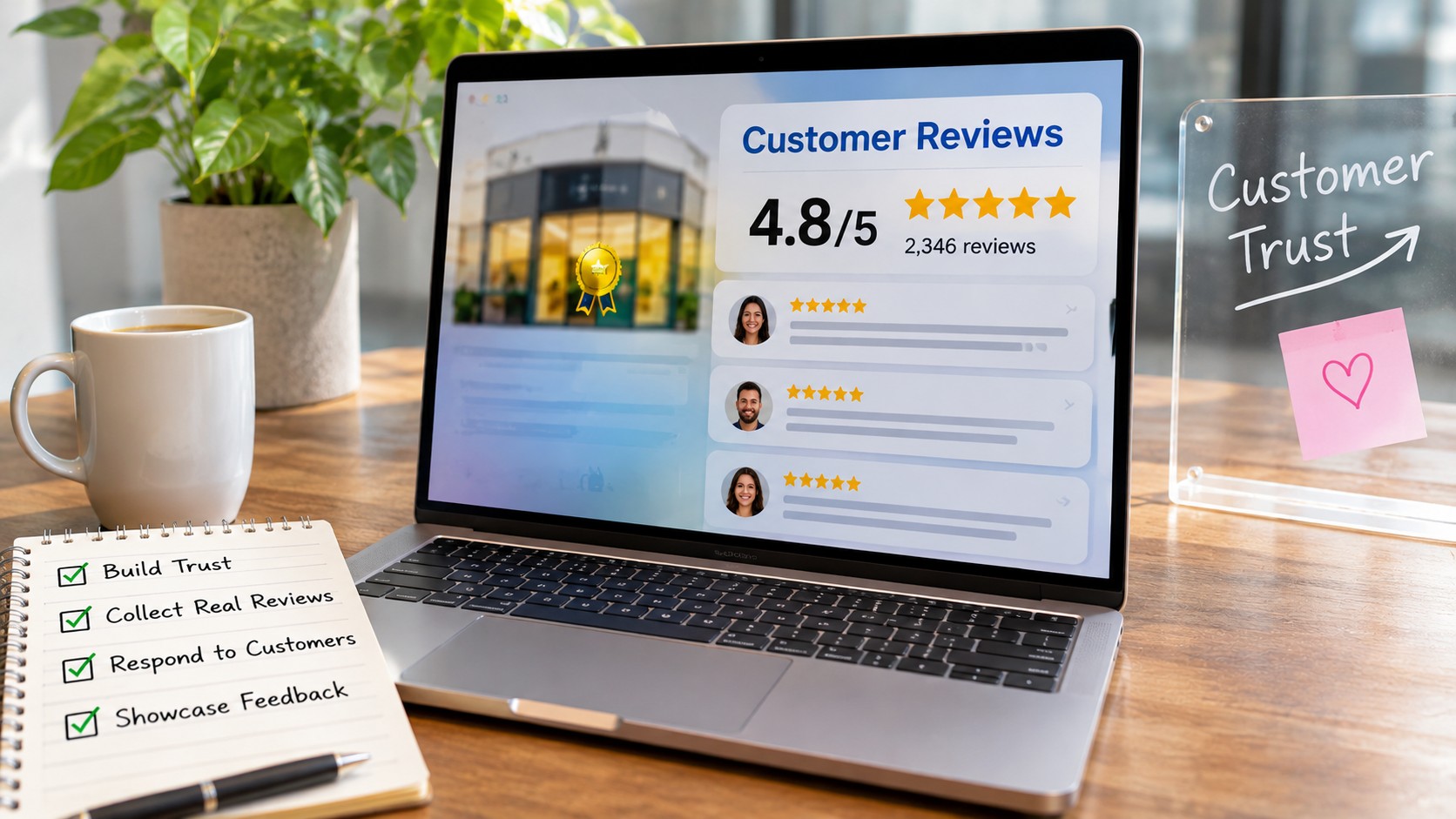
Before choosing a product or service, many customers look for feedback from people who have already experienced it. They may read Google reviews, compare ratings on business directories, explore product feedback, or search for discussions about a company.
These opinions can influence purchasing decisions because customers want to understand what they can realistically expect.
For businesses, authentic online reviews provide an opportunity to demonstrate service quality, understand customer expectations, and build long term credibility.
However, earning customer trust requires more than collecting positive ratings. Businesses need to encourage honest feedback, respond professionally, address genuine complaints, and create experiences that customers are comfortable recommending.
This guide explains how businesses can build customer trust through authentic online reviews and develop a sustainable reputation management strategy.
Why Do Online Reviews Influence Customer Decisions?
Online reviews provide information that customers may not find in traditional advertisements.
A company can describe its products as reliable, affordable, or convenient, but customer feedback offers another perspective.
Reviews can help potential buyers understand:
- Product quality.
- Service reliability.
- Customer support.
- Delivery experience.
- Pricing transparency.
- Overall customer satisfaction.
For example, someone considering a software subscription may compare reviews to understand whether the platform is easy to use and whether technical support responds promptly.
A person choosing a local service provider may look at customer experiences to understand punctuality, professionalism, and service quality.
Reviews do not guarantee that every customer will have the same experience, but they can provide useful decision making information.
1. Deliver an Experience Worth Reviewing
The foundation of a strong review profile is the actual customer experience.
Businesses should focus on providing products and services that meet the expectations communicated during the sales process.
Consider the entire customer journey.
Before purchase: Provide accurate descriptions, transparent pricing, and clear information.
During the purchase: Make ordering, registration, or booking straightforward.
After purchase: Deliver the promised service and provide appropriate support.
When problems occur: Communicate clearly and work towards a reasonable solution.
Customers are more likely to share meaningful feedback when they feel their experience has been handled professionally.
Review collection should support service improvement rather than replace it.
2. Make It Easy for Customers to Share Feedback
Some satisfied customers may never leave a review simply because they are busy or do not know where to submit feedback.
A simple review request can make the process easier.
Businesses can request feedback through:
- Follow up emails.
- Post purchase messages.
- Service completion notifications.
- Customer account dashboards.
- Printed feedback instructions.
- Appropriate SMS messages.
For example, a company that completes a website development project may send a polite follow up message asking the client to share an honest account of their experience.
The request should be simple, relevant, and respectful.
Avoid repeatedly messaging customers or pressuring them to publish positive reviews.
3. Choose the Right Review Platforms
Not every review platform is equally relevant to every business.
A local restaurant may prioritise Google reviews, while a software company may benefit from feedback on specialist software review websites.
An online retailer may focus on product review platforms, while a professional service provider may monitor business directories.
Choose platforms according to where your potential customers research companies.
Before building a review collection strategy, consider:
- Industry relevance.
- Customer audience.
- Platform credibility.
- Review submission requirements.
- Available business management features.
- Platform moderation policies.
It is better to maintain a few relevant review profiles properly than to spread customer feedback across many unrelated websites.
4. Respond to Positive Reviews Professionally
Positive reviews deserve attention too.
A thoughtful response shows that the business values customer feedback and appreciates the time taken to share an experience.
Avoid responding to every review with exactly the same sentence.
Instead, acknowledge a specific detail when appropriate.
For example, if a customer praises the support team, thank them for recognising the team’s assistance.
If a customer mentions a successful project, acknowledge the collaboration.
Keep responses natural, concise, and professional.
A genuine reply can strengthen the relationship with an existing customer while showing potential customers that the company pays attention to feedback.
5. Handle Negative Reviews Without Becoming Defensive
Negative reviews can be difficult to receive, particularly when a business believes that the feedback is unfair.
However, an emotional response can make the situation worse.
Instead, review the complaint carefully before replying.
A professional response should:
- Acknowledge the customer’s concern.
- Avoid personal arguments.
- Explain relevant information without disclosing private details.
- Offer an appropriate way to resolve the issue.
- Follow up when necessary.
For example, if a customer reports a delayed delivery, the business can acknowledge the inconvenience and explain how the support team will investigate the order.
Not every negative review can be resolved publicly. Some issues require private communication.
The goal should be to address genuine problems and demonstrate responsible customer service.
6. Understand the Difference Between Genuine and Fake Reviews
Authenticity is essential for a trustworthy review profile.
Fake reviews can mislead potential customers and create problems for businesses when detected.
Examples of suspicious review activity may include:
- Reviews from people who have not used the service.
- Repeatedly copied wording.
- Unusual bursts of unrelated feedback.
- Reviews containing false claims.
- Coordinated review activity.
- Incentivised positive reviews where prohibited.
Businesses should never purchase fabricated reviews or ask people to pretend they are customers.
Instead, build a consistent process for requesting feedback from genuine customers.
If a review appears fraudulent or violates a platform’s policies, document the issue and use the platform’s official reporting process.
7. Use Customer Feedback to Improve Business Operations
Reviews are not only reputation assets. They are also a source of business information.
Repeated customer comments can reveal issues that internal teams may not have noticed.
For example:
- Several customers mention confusing website navigation.
- Buyers report unclear product descriptions.
- Customers experience delays in support responses.
- Users find the onboarding process difficult.
- Clients report inconsistent communication.
Organise feedback into common topics and identify recurring patterns.
Then share the findings with the relevant teams.
Customer reviews become more valuable when businesses use them to make measurable improvements rather than simply collecting higher ratings.
8. Monitor Your Brand Reputation Regularly
A business should not wait for a major complaint before reviewing its online reputation.
Regular monitoring helps identify new feedback, emerging customer concerns, and brand discussions.
Businesses can monitor:
- Google Business Profile reviews.
- Industry review platforms.
- Public brand mentions.
- Social media conversations.
- Business directory listings.
- Product feedback pages.
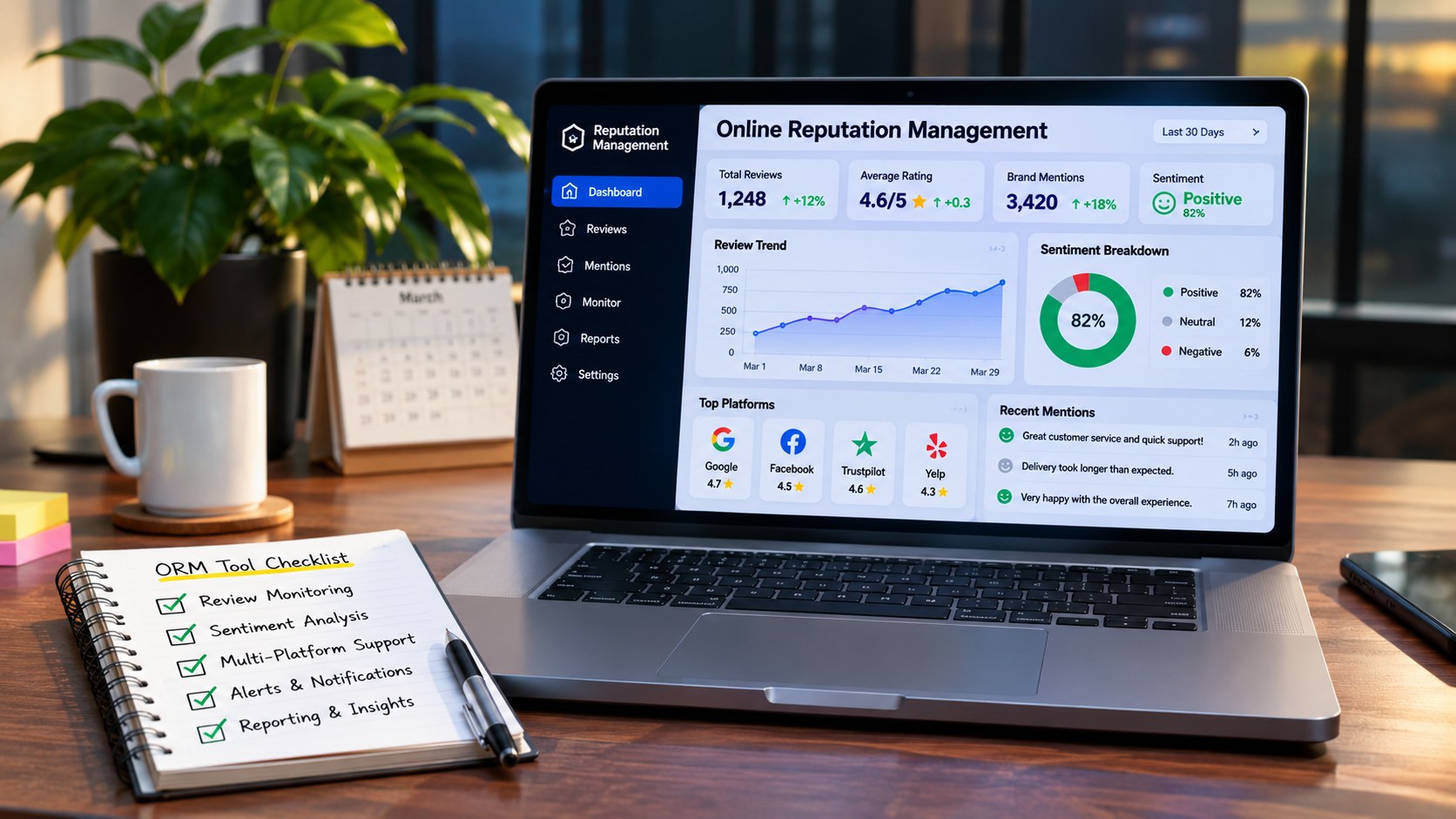
Reputation management software can help centralise selected information and notify teams when new reviews appear.
However, automated monitoring should be combined with human review to understand context and decide what action is appropriate.
9. Maintain Consistent Business Information
Trust can also be affected by inconsistent business information.
If a company displays different contact details, addresses, opening hours, or service descriptions across its online profiles, customers may become confused.
Review your important business listings periodically.
Check:
- Business name.
- Website address.
- Contact information.
- Location details.
- Opening hours.
- Service descriptions.
- Branding information.
Consistent information helps customers recognise the business and find the correct contact details.
It also reduces the chance of people interacting with outdated or incorrect business profiles.
10. Measure the Quality of Your Review Strategy
The success of a reputation strategy should not be measured by star ratings alone.
A more complete evaluation considers several indicators.
| Metric | What It Helps Measure |
|---|---|
| Review volume | Number of customer reviews received |
| Average rating | Overall rating trend |
| Response rate | Percentage of reviews receiving replies |
| Response time | How quickly the business responds |
| Feedback themes | Common customer concerns |
| Review distribution | Feedback across different platforms |
| Resolution activity | Progress on reported customer issues |
For example, a company may maintain a high average rating but receive repeated complaints about slow support.
Looking at feedback themes helps identify the underlying issue.
11. Create a Sustainable Review Collection Process
A review strategy should be part of normal customer communication rather than a short campaign that runs only when ratings decline.
Create a repeatable process:
Identify suitable moments: Request feedback after a completed purchase or service.
Use consistent messaging: Make the request polite and easy to understand.
Select relevant platforms: Direct customers to appropriate review channels.
Monitor incoming feedback: Assign responsibility for reviewing new comments.
Respond appropriately: Thank customers and address genuine concerns.
Review performance: Identify recurring feedback and improve business processes.
This approach creates a more reliable foundation for long term reputation management.
12. Common Review Management Mistakes to Avoid
Businesses sometimes damage customer trust through poorly planned review practices.
Avoid these mistakes:
Buying positive reviews: Fabricated feedback can mislead customers and violate platform rules.
Ignoring negative feedback: Unresolved complaints may indicate problems that need attention.
Offering rewards for positive ratings: Incentives tied to positive sentiment can violate review platform policies.
Using identical responses: Repetitive replies can make customer communication feel automated.
Pressuring customers: Review requests should never make customers feel uncomfortable.
Deleting criticism without reason: Legitimate negative feedback should be treated as an opportunity to understand customer experiences.
Focusing only on ratings: A high score does not necessarily mean that every part of the customer experience is working well.
Conclusion
Authentic online reviews help businesses demonstrate credibility, understand customer expectations, and build stronger relationships with their audiences.
The most effective review strategy starts with delivering a good customer experience. Businesses should make it easy for genuine customers to share feedback, respond professionally, monitor important platforms, and use recurring comments to improve their services.
Positive ratings can support trust, but authenticity and consistency matter much more than the number of reviews alone.
By treating customer feedback as an ongoing source of business insight, companies can build a stronger and more sustainable online reputation.
Frequently Asked Questions
1. Why are authentic online reviews important for businesses?
Authentic reviews help potential customers understand real experiences, compare services, and make more informed purchasing decisions. They also provide businesses with valuable feedback.
2. How can I encourage customers to leave genuine reviews?
Send polite review requests after completed purchases or services. Provide clear instructions and make the process convenient without pressuring customers.
3. Should businesses respond to every review?
Where practical, businesses should respond to reviews regularly. Acknowledging feedback helps demonstrate that customer opinions are valued.
4. How should I respond to a negative customer review?
Acknowledge the concern, remain professional, avoid arguments, and offer an appropriate way to investigate or resolve the issue.
5. Are paid reviews safe for business reputation?
Fabricated reviews are not a reliable reputation strategy. They can violate platform policies, mislead customers, and damage business credibility.
6. Can negative reviews improve a business?
Yes. Genuine criticism can reveal problems with products, services, communication, or customer support. Addressing these issues can improve the overall customer experience.
7. Which review platform should my business focus on?
Choose platforms that are relevant to your industry and where your customers research businesses. Local companies, software providers, and online retailers may need different review platforms.
8. How often should businesses monitor customer reviews?
Businesses should monitor reviews regularly. Companies receiving frequent feedback may benefit from daily checks and notifications.
9. Can online reputation management tools help with review monitoring?
Yes. Reputation management software can help track reviews, organise responses, generate reports, and identify recurring customer feedback.
10. What should businesses do if they receive a fake review?
Document the issue, review the platform’s policies, and submit a report through its official process if the review appears to violate those policies. Avoid retaliatory reviews or fabricated counterclaims.
11. Should businesses offer discounts in exchange for positive reviews?
Businesses should avoid incentives tied to positive sentiment. Such practices can violate platform policies and reduce the authenticity of customer feedback.
12. How can I measure whether my review strategy is working?
Track review volume, rating trends, response activity, customer feedback themes, and the number of issues successfully addressed. Evaluate these metrics alongside customer satisfaction and service improvements.